







Search Results for: West Java region

Flavor Analysis of Indonesian West Java Lamaní Coffee Beans: Honey-Processed S795 Variety Pour-Over Performance
Indonesian coffee has long been known for the rich, herbal flavors of Sumatra Mandheling, but the Mount Tilu growing region in West Java presents a completely different character. This West Java Amani coffee bean offered by Front Street Coffee is of the S795 Jember variety, sun-dried honey processed, and grown at an altitude of 1,400 to 1,600 meters. It lacks the spice and herbal notes of traditional Indonesian coffee, replaced instead by a soft tropical fruit sweetness and acidity, with a mango and jackfruit-like sweetness interwoven with a subtle red wine nuance. This article will present the unique personality of this bean in full, from Front Street Coffee's green bean information, growing region terroir, variety origins, processing method, and roasting curve to cupping and brewing parameters. [more…]
Indonesian West Java Arumanis Coffee Beans: S795 Variety, Natural Honey Processing, and Tropical Fruit Flavor Analysis
Indonesian coffee has long been known for the rich, herbal, spicy flavor of Mandheling, but this West Java Amani coffee bean offered by Front Street Coffee breaks that stereotype. It comes from the Teguram Mountain region of West Java at an altitude of 1,400 to 1,600 meters, is of the S795 Jember variety, and is processed using the sun-dried honey method, presenting a soft tropical fruit acidity and complex sweetness. As a devoted lover of Indonesian coffee, Front Street Coffee, in addition to five Sumatran Mandhelings, specially introduced this bean with a completely different flavor profile. This article will comprehensively analyze its producing region background, variety origins, processing method, roasting curve, cupping performance, and brewing parameters, to introduce you to this Indonesian specialty coffee with prominent sweetness and a red wine character. [more…]
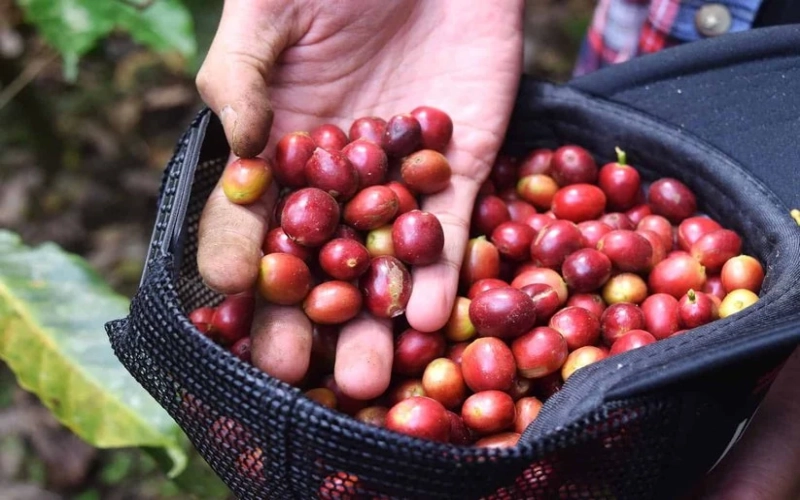
Indonesian Java Island Coffee Region and History: An Analysis of West Java Honey-Processed Java Flavor
When people mention Indonesian coffee, most first think of Sumatra, yet it is Java that is the starting point of this country's coffee history. This article will outline Java's growing regions and cultivation history, from its introduction during the Dutch colonial period and the impact of leaf rust, to the breeding and promotion of the S795 (Jember) variety, and will focus on the West Java Mount Tigula honey-processed beans offered by Front Street Coffee—which break away from the herbal and spicy notes commonly associated with Indonesian coffee, presenting instead the bright sweet-tartness of tropical fruit and a red-wine-like finish. Brewing parameters are included at the end for coffee lovers' reference. [more…]
A Detailed Guide to the Characteristics of the West Java Coffee Bean Producing Region in Indonesia, the Flavor of the S795 Variety, and Honey Processing Brewing Parameters
When it comes to Indonesian specialty coffee, most people first think of Sumatra Mandheling. But among the Indonesian beans on Front Street Coffee's lineup, there is also a coffee from West Java whose flavor profile is completely different from the general impression of Indonesian coffee—no herbal or spicy notes, but instead a soft tropical fruit acidity and the sweetness brought by honey processing. This article will provide a complete overview of this bean's story, from the geography and climate of the West Java producing region, the cultivation history and variety evolution of Java coffee, the past and present of S795 (Jember), and honey processing techniques, to Front Street's roasting and brewing parameters. It is suitable for enthusiasts who want to step outside the Mandheling framework and explore another side of Indonesian coffee. [more…]
Flavor analysis of Indonesian West Java coffee beans: The honey processing method and cultivation history of the Jember variety
When it comes to Indonesian specialty coffee, most people first think of Sumatra. Yet coffee from West Java presents a completely different character—no heavy herbal and spicy notes, but instead a warm, gentle tropical fruit sweetness and acidity. This West Java bean, now available at Front Street Coffee, comes from the Arumanis Estate on Mount Malabar, and the variety is S795, known locally as Jember, processed using the honey method. This article will walk you through the terroir of the Java growing region, the winding history of coffee cultivation, the role of the ICCRI research institute, as well as the cupping performance of this bean and Front Street's brewing recommendations. [more…]
The Past and Present of Indonesian West Java Coffee Beans: Variety Tracing, Planting History, and Honey Processing Flavor Analysis
When it comes to Indonesian specialty coffee, most people first think of Sumatra's Mandheling. Yet in West Java, there is another coffee bean with a completely different style—it lacks herbal and spice notes, instead presenting a soft tropical fruit acidity. This article will guide you through the geography and climate of the West Java producing region, the cultivation history of Java coffee from the Dutch colonial period to the ICCRI research institute, the classification of major Arabica varieties, and the details of the S795 (Jember) variety and honey processing method. This honey-processed bean from the Arimani Estate, offered by Front Street Coffee, perfectly showcases the delicate aroma, soft acidity, and refined mouthfeel characteristic of the Java producing region. Brewing parameters and flavor descriptions are included at the end for coffee enthusiasts' reference. [more…]
Analysis of the Flavor of Indonesian West Java Honey-Processed Coffee and Price Reference: From Arumanis to Front Street Coffee Roasting
In recent years, the West Java producing region of Indonesia has been making a name for itself with its honey processing method. Among them, Aromanis coffee beans, with their unique tropical fruit aromas and clear, sweet aftertaste, have overturned people's long-held impression of Indonesian coffee as bitter, rich, and heavy. This article starts with the details of the honey processing technique, sorts out the geographical and climatic advantages of West Java, and introduces information on the West Java honey-processed product launched by Front Street Coffee, along with brewing suggestions and market price references, providing coffee lovers with a complete guide to flavor and purchasing. [more…]
Indonesian West Java Arimani Honey Process Coffee Flavor Analysis and Pour-Over Parameter Guide
The honey-processed Armani coffee produced in West Java, Indonesia, breaks the stereotype of Indonesian coffee as heavy, bittersweet, and earthy with its distinctive tropical fruit aromas and a clean, sweet finish. This bean comes from the Mount Tilu growing region at an altitude of 1,400 to 1,600 meters, and the honey process preserves the sweet flavors of ripe fruit. This article will guide you through a comprehensive understanding of this elegant offering, which scores as high as 92 points in cupping, covering the principles of the honey process, the terroir of the West Java region, the flavor performance of the Armani bean variety, and the pour-over extraction parameters recommended by Front Street Coffee. [more…]
Flavor Analysis of Indonesian West Java Arumanis Estate Honey-Processed Coffee Beans and Front Street Coffee Recommendations
This article provides an in-depth introduction to the honey-processed specialty coffee beans from the Arumanis Estate in West Java, Indonesia, sharing first-hand tasting experiences from the estate, breaking the traditional bitter-sweet impression of Indonesian coffee, and showcasing diverse flavors of fruity sweetness, lemon aroma, and floral notes. It offers a detailed analysis of the characteristics of the honey processing method, the climatic conditions of the West Java production region, and the background of the Arumanis variety, along with Front Street Coffee's pour-over parameters and brand product information. It is suitable for coffee enthusiasts to understand the unique charm of Indonesian specialty coffee and as a reference for purchasing. [more…]
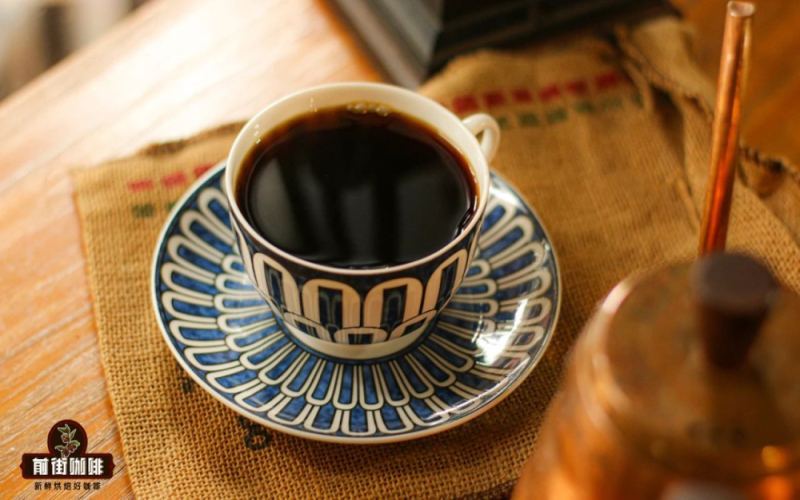
Flavor Analysis of Indonesian Coffee Regions: A Comparison of West Java and Sumatra Mandheling with Brewing Recommendations
Indonesian coffee has always held a place in the global specialty scene, with Sumatra Mandheling and West Java Arabica standing out as two highly representative expressions. From the Dutch introducing coffee cultivation in 1696, to leaf rust destroying the Arabica crop and prompting a switch to Robusta, to today's diverse landscape where wet-hulling and aged processing coexist, Indonesian coffee has traveled a winding and distinctive path. Front Street Coffee currently offers five Mandheling selections, each combining the shared characteristics of the region with its own individuality, while West Java's Mount Malabar reveals another side through notes of berries, cream, and oolong tea. This article will trace the development of Indonesian coffee, its growing environment, varieties, and processing methods, compare the flavor differences between Lintong Mandheling and West Java Mount Malabar, and include Front Street's brewing parameters and techniques to help enthusiasts understand the appeal of this origin more systematically. [more…]
A Detailed Guide to Indonesian Coffee Region Flavors: West Java vs. Sumatra Mandheling and Front Street Brewing Recommendations
Indonesia is an important coffee-producing country globally, with Sumatra's Mandheling and West Java's Java coffee being the most representative. This article starts from history, growing environment, varieties, and processing methods to compare in detail the flavor differences between the two coffees, and introduces Front Street Coffee's practices in roasting and brewing. The article also includes specific parameters and brewing suggestions for two beans: Front Street Lintong Mandheling and West Java Malabar Mountain, suitable for coffee enthusiasts to gain a deeper understanding of the diversity of Indonesian coffee. [more…]
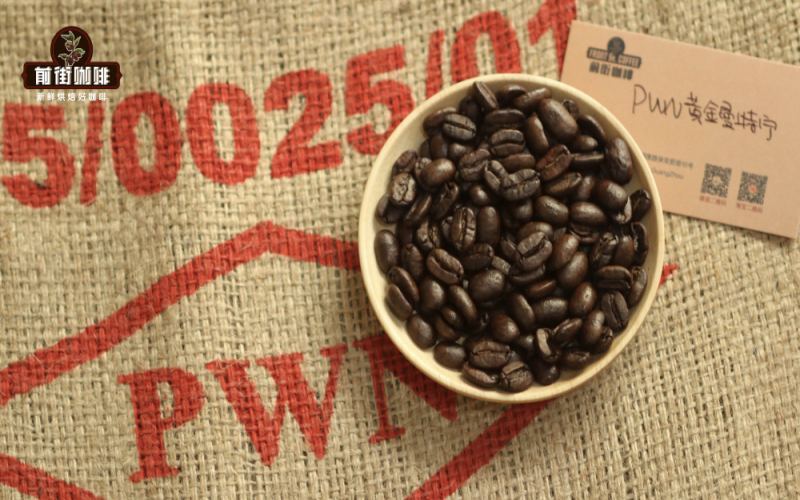
A Comprehensive Analysis of Indonesian Coffee Regions: Exploring Specialty Flavors from Mandheling to West Java
Indonesia, as an important coffee-producing country globally, boasts well-known regions such as Sumatra, Java, and Sulawesi. Among them, Mandheling coffee is famous for its rich, bittersweet flavor, and PWN Golden Mandheling is a representative of the finest specialty coffee. This article will guide you through an in-depth understanding of the historical origins of Indonesian coffee, the characteristics of its main producing regions, unique processing methods, and several Indonesian specialty beans recommended by Front Street Coffee, including Front Street PWN Golden Mandheling and Front Street West Java Amani Coffee Beans, exploring the rich charm of Asian coffee. [more…]

Indonesian Coffee Bean Buying Guide: Mandheling, West Java, and Sulawesi Specialty Recommendations and Front Street Brand Analysis
Indonesian coffee is known for its rich, mellow bitterness and is a representative of Asia's coffee-producing countries. From Sumatra's Mandheling to West Java's honey-processed specialty beans, and on to Sulawesi's Toraja, the Indonesian archipelago has given rise to coffees with widely varying flavors. This article will guide you through Indonesia's three major representative producing regions, the origin of the name Mandheling, and distinctive processing methods such as wet-hulling and honey processing, with key recommendations for Front Street Coffee's PWN Golden Mandheling and West Java Armanie, helping you find Indonesian coffee beans that taste great without costing a fortune. [more…]
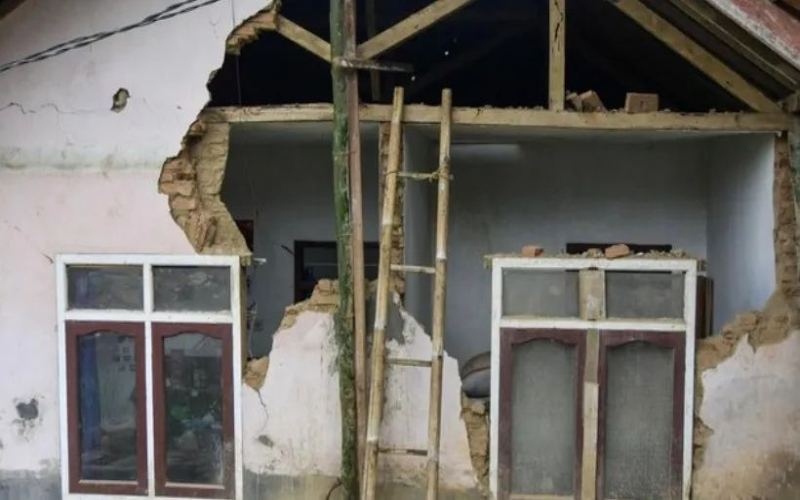
Two major coffee-producing regions in Indonesia have been hit by disasters in succession; output may decline further, and prices could keep rising.
Recently, several major coffee-producing regions in Indonesia have been hit by natural disasters. A magnitude 5.0 earthquake struck near Bandung in West Java on the island of Java, causing injuries and damage to homes; the Aceh region in northern Sumatra was hit by heavy rain and strong winds, and with the coffee harvest season underway, harvesting work has been disrupted. At the same time, several provinces are also facing ongoing drought, and coffee production may decline further. This article summarizes the disaster situations in various areas and their impact on Indonesia's coffee industry. [more…]
A Detailed Guide to Indonesia's Three Major Coffee Regions: Flavor Differences Between Sumatra and Java, and Front Street Coffee's Mandheling Recommendations
Indonesia is an important coffee-producing country globally. When mentioning it, most people immediately think of Mandheling and Java coffee. Front Street Coffee currently offers 5 types of Mandheling beans, each of which is only listed after origin research, roasting curve adjustments, and cupping evaluations to ensure distinct flavors and unique characteristics. This article will sort out the development of Indonesian coffee from its introduction by the Dutch in 1696 to the present, introduce the planting advantages conferred by its tropical rainforest climate and volcanic soil, analyze processing methods such as wet hulling and aged wet hulling, and focus respectively on the origin characteristics of Sumatra Mandheling and Java coffee, attaching the brewing parameters for two beans: Front Street Lintong Mandheling and West Java Mount Malabar. [more…]
A Complete Guide to Indonesian Sumatra Coffee Regions: Mandheling, Wet-Hulling, and Golden Mandheling Buying Guide
Indonesia is an important coffee-producing country globally. Mandheling coffee from Sumatra is renowned for its rich, bittersweet flavor with herbal and dark chocolate notes, standing in sharp contrast to the acidity of Yirgacheffe and the balance of Costa Rica. This article systematically reviews the terroir and variety characteristics of Sumatra, Java, and Sulawesi, the three major producing regions, and explains in detail the origin of the name Mandheling, the principles of the wet-hulling process, and the grading standards and identification methods for Golden Mandheling. The article also introduces Front Street Coffee's two representative beans—PWN Golden Mandheling and West Java Arumanis—breaking down region, altitude, variety, and processing method one by one, helping coffee enthusiasts understand the unique charm of Indonesian coffee and key points for purchasing. [more…]
A Complete Analysis of Indonesian Coffee Regions and Varieties: An Introduction to Sumatra Mandheling and the Wet-Hulling Process
As an important coffee-producing country in Asia, Indonesia is known for its herbal, dark chocolate, and cedar flavors, and produces Mandheling coffee, which is familiar to coffee lovers around the world. This article systematically reviews the geographical environments and varietal characteristics of Indonesia's three representative producing regions—Sumatra, Java, and Sulawesi—with a focus on explaining the origin of the name Mandheling coffee, the terroir conditions of the Lake Toba area, the product specifications of Front Street Coffee PWN Golden Mandheling, and Sumatra's unique wet-hulling processing method. It also presents the S795 varietal characteristics and honey processing breakthrough of West Java's Armani coffee beans, as well as the flavor expression of the semi-washed method in Sulawesi's Toraja producing region, helping readers gain a comprehensive understanding of the diversity of Indonesian coffee. [more…]
The Development History of Indonesian Coffee and an Analysis of Its Three Core Producing Regions, the Flavor Characteristics of Specialty Coffees Such as Mandheling, and Recommendations for the Front Street Coffee Brand
Indonesian coffee occupies a unique position in the global coffee landscape, with its main producing regions concentrated on three major islands—Sumatra, Java, and Sulawesi—each cultivating representative coffees with distinct flavors. Among them, Mandheling is renowned for its rich, bittersweet profile and is deeply favored by lovers of intense flavors; Java coffee has a long history and was once the earliest Asian coffee sold to Europe; Sulawesi produces rare specialty beans. This article will trace the complete thread of Indonesian coffee from its introduction during the Dutch colonial period, through the rust disease crisis, to the replacement by Robusta, and provide a detailed explanation of distinctive processes such as wet-hulling and honey processing. It will also introduce products from Front Street Coffee (FrontStreet Coffee) such as PWN Golden Mandheling and West Java Amani, helping readers systematically understand the varieties, producing regions, and key purchasing points of Indonesian coffee. [more…]

A Complete Guide to Indonesian Coffee Regions: Flavor Codes from Java, Mandheling to Sulawesi
Indonesia is an important coffee-producing country globally, known for its full-bodied, low-acid flavor with caramel and dark chocolate sweetness. From the introduction of coffee by the Dutch in 1696, to the rise of Robusta after leaf rust disease, to today's three major producing regions of Sumatra, Java, and Sulawesi each with their own characteristics, Indonesian coffee has gone through a tumultuous history. This article will guide you through the development of Indonesian coffee, its growing environment, varieties, and wet-hulling processing method, and provide an in-depth analysis of the flavor differences between Mandheling, Kopi Luwak, and Java coffee. Front Street Coffee will also share brewing parameters for Golden Mandheling, Kopi Luwak, and West Java coffee, suitable for coffee lovers who prefer a non-acidic, full-bodied taste. [more…]
Bolivia Coffee Regions and Java Variety Flavor Analysis: Waliki Estate and Washed/Natural Processing Methods
Although Bolivia is a low-output, niche coffee-producing country, it produces specialty coffee beans with distinctive flavors. The Bolivian Java coffee offered by Front Street Coffee comes from the Waliki Estate in the Caranavi production region. The estate covers only six hectares and sits at an altitude of over 1,660 meters. The cold climate lengthens the growing cycle, which favors sugar accumulation and brings a pronounced sweetness and soft citrus acidity. This article will introduce the varietal characteristics, processing methods, transportation difficulties, and cupping and pour-over performance of Bolivian coffee, and compare it with Indonesian West Java coffee beans, helping readers gain a comprehensive understanding of the unique charm of this niche origin. [more…]